 I took hymn surveys from congregations where I served to prepare hymn festival based on favorite hymns. Not surprisingly, “How Great Thou Art “consistently took either first or second place. There are reasons why this hymn has touched so many people’s hearts. The author of this hymn, Carl Boberg, a Swedish pastor, wrote the text after he experienced an “awe-inspiring moment.”
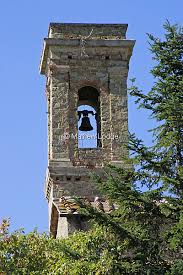
In summer of 1885, Boberg was returning home from an afternoon service. Suddenly, he was caught in a summer thunderstorm, watching the sky covered with black and gray clouds, violent lightning, and strong winds. When the storm was over, he heard birds singing in the stillness. He fell on his knees to adore and praise God’s majesty. Arriving home, he opened a window and saw the beauty of nature and heard the tolling of church bells in the quiet evening. Boberg was inspired by this display of nature, so he wrote his thoughts in the form of a poem entitled, “O Store Gud” (How Great Thou Art).
This original text was translated into German by Manfred von Glen in 1907, which, in turn, was translated into Russian. Hearing this hymn in Russian, Stuart Hine, an English missionary, was so moved that he translated it to English during 1930s, including his own impressions of God’s splendor. Because of World War II, Hine returned from his missionary work in Eastern Europe and ministered to the refugees. When he heard of singing “When will we be going home?” from the refugees, it stirred him up to write the fourth stanza of this hymn in 1948. As an organist, I have been asked to include this hymn, the celebration of life, on many funeral services. One of the reasons this hymn is used in funeral services is because of the fourth stanza telling the message of the return of Christ and their eternal life and eternal joy.
During the 1954 Billy Graham Crusade in London, George Beverly Shea was given a leaflet of this hymn and he introduced this song the next year in Toronto. This made “How Great Thou Art” gain popularity. After that, Shea sang the song over 100 times and it became Shea’s trademark song.
This powerful hymn can be used as a simple way to teach God’s might and power in his creation, Christology (God’s saving work) and eschatology (the second coming Jesus). This vivid hymn can be also used as a vehicle to connect generations if it combines with a contemporary song “How Great Is Our God” written by Chris Tomlin. The song has a similar impact as “How Great Thou Art.” One suggestion is to start with singing “How Great Is Our God’ and then move to the refrain of “How Great Thou Art.” This builds common expressions of faith among younger and older generations, tearing down barriers between traditional and contemporary worshippers.
About 10 years ago, I heard the story behind the hymn, “How Great Thou Art.” Since then, I can’t sing the hymn without lifting my hands up and raising my voice. Have there been times in your life when this hymn was especially meaningful to you? What are your awe-inspiring moments where you felt the grandeur of God in nature, God’s unconditional love or future hope for all believers? Such moments moves us to join this chorus, “Then Sings My Soul, My Savior God to Thee, How Great Thou Art, How Great Thou Art.”
Soli deo Gloria,
Young Chung
 Worship and Arts by Young
You must be logged in to post a comment.